Family Stories in Letters, Recipes, and Everyday Keepsakes
Family stories in letters, recipes, and keepsakes become easier to share when you connect each object to a person, place, and ordinary moment.
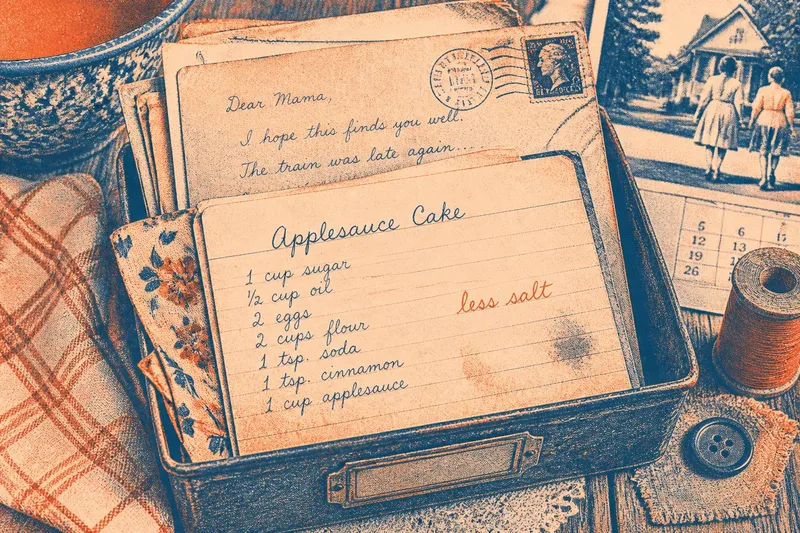
You find a recipe card tucked into a cookbook, its margin marked in a familiar hand. Family stories in letters, recipes, and everyday keepsakes often begin this way: with an object that prompts someone to say who used it, where it belonged, or what happened around it. The object is not the whole story; it is a starting point for shaping a small, shareable scene.
Rather than making a broad claim about family life before photo albums, focus on what a particular keepsake can help you tell. A letter, a recipe, or a household note has a purpose and an audience. Asking about those details can turn an item into a story without asking it to prove more than it can.
Start with the object
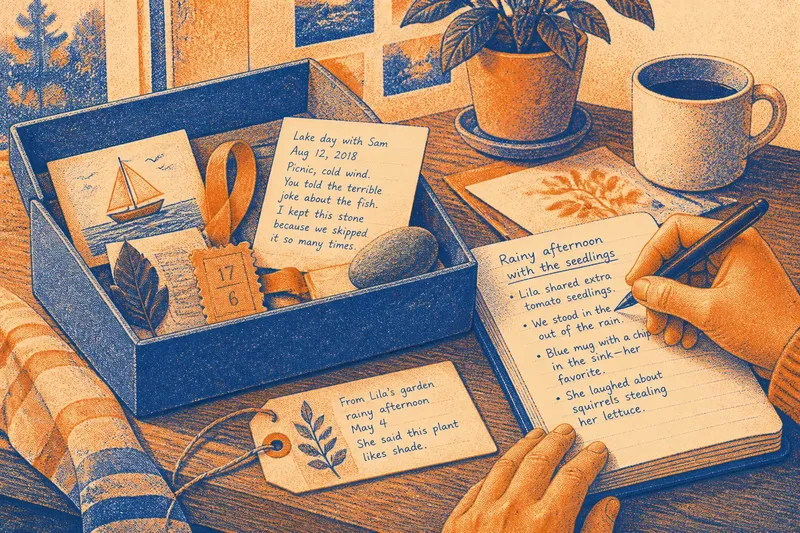
Describe what is actually in front of you before adding interpretation. Note the material, marks, handwriting, and signs of use: a crease in a letter, flour smudges on a recipe card, or a penciled name on a paper envelope. These details give a listener something concrete to picture.
Then ask who handled the object and what ordinary task it served. A grocery list may have guided an errand; a letter may have carried news to someone away from home; a recipe may have helped prepare a meal for visitors. If you do not know the answer, say so instead of filling the gap with a confident-sounding guess.
A useful story often connects an object to an action: someone folded, carried, annotated, repaired, or passed it along. Keep the action small enough that the evidence and a family recollection can support it.
Letters and their audience
A letter was written for a particular recipient, so its greeting, requests, and closing can reveal the relationship the writer chose to address. The body may mention a journey, a household task, or a worry, but it remains one person’s account at one point in time. Read the letter for its details and tone without treating it as a full record of everyone involved.
When you share a letter-based story, distinguish the words on the page from what a relative remembers. For instance, the letter may mention a delayed visit, while a family member recalls waiting by the front window. Those details can sit together in a story, but the listener should know which came from the document and which from later recollection.
If the letter leaves out an explanation, keep that absence open. A missing reply or an unexplained phrase does not, by itself, reveal what happened.
Recipes as family scenes
A recipe can preserve an instruction, a variation, or a familiar hand on paper. It may also prompt memories of who cooked, who helped, and where a dish was served. Separate what the card says from what people remember about its use: the card might call for cinnamon, while a relative recalls that a particular person added it by eye.
Imagine you find a stained recipe card with the note “less salt” in your grandmother’s handwriting. Your cousin remembers that she made the dish for Sunday visits, but neither of you knows who first wrote the recipe. You can tell the story as a scene of your grandmother adjusting the dish for those visits, naming the card and your cousin’s memory as the sources, while leaving the recipe’s origin unanswered.
That boundary makes the story more vivid, not less. It lets the listener see both the practical act and the family meaning attached to it.
Turn keepsakes into scenes
A scene needs a person, a place, and an action. An old calendar may prompt a question about where someone worked; a school paper may recall the walk home; a repaired button may bring back the coat it belonged to. You do not need to construct a full account of a person’s life. One grounded moment is often easier to share and remember.
Use this short set of checks as you shape the story:
Object: Check what the item is and what marks it carries; if its use is clear, describe that use, and if not, present it as an unidentified keepsake.
Person: Check whether a name or recollection identifies who handled it; if the identification is supported, name the person, and if not, leave the person unnamed.
Place: Check whether the object or a teller links it to a location; if the location is known, include it, and if not, describe only the setting you can establish.
Action: Check whether the source records or recalls an action; if it does, state that action, and if it does not, avoid inventing one.
Source: Check whether each detail comes from the object, a person’s memory, or your inference; if the source is clear, identify it in the telling, and if it is uncertain, use cautious wording.
Open question: Check what remains unknown; if the gap does not affect the scene, let it remain unanswered, and if it changes the meaning, mention the uncertainty rather than choosing a convenient explanation.
These checks help keep a story specific while making its limits understandable to the next person who hears it.
Shaping family stories?
How do I start a story from a keepsake?
Describe the object and one detail that catches your attention, then ask who used it or what task it served. If no one knows, make the unknown part clear and build the story around what can be seen or remembered.
What belongs in a story about a family letter?
Include the recipient, the writer’s own words or subject, and the relationship suggested by the greeting or closing. Treat it as one person’s account rather than a complete explanation of a family event.
How can a recipe become a scene?
Connect an instruction or handwritten change to a remembered cook, meal, or gathering, and say which details come from the card and which come from memory. Leave the recipe’s origin open if the available clues do not identify it.
What should I do with a detail no one can verify?
Keep it only if it helps the listener understand the moment, and present it as a recollection or possibility rather than a settled fact. If it would distort the story, leave it out.
Share what you know
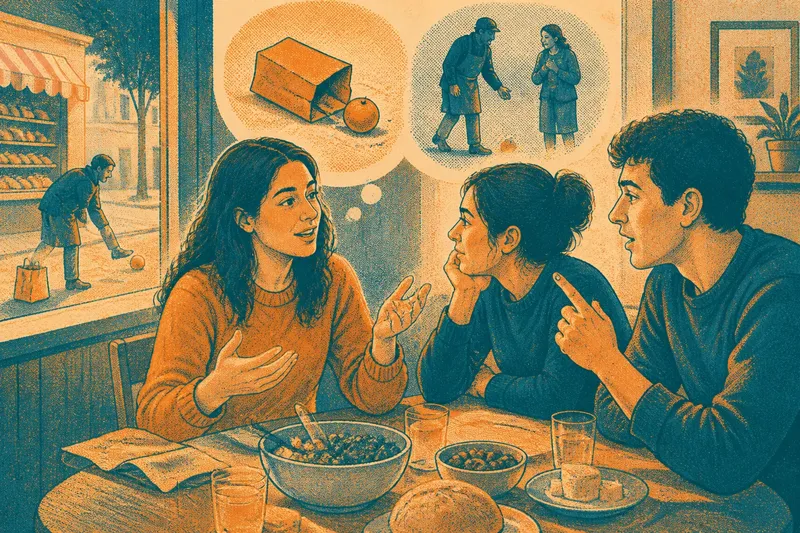
When you tell the story, use a few plain sentences: identify the object, describe the action, and explain why someone remembers it. A useful distinction is “the note says” for written details and “my aunt remembers” for spoken ones. That language makes the story easier to follow without interrupting its human warmth.
Family stories in letters, recipes, and keepsakes can be shared with care when you keep the object, the remembered scene, and the unanswered questions distinct. The next time someone asks about a marked card or folded letter, begin with the detail you can point to; it may give the conversation a place to start.